

UNICEF provides 75,000 vials of medicine to treat children affected by leishmaniasis in Khyber Pakhtunkhwa
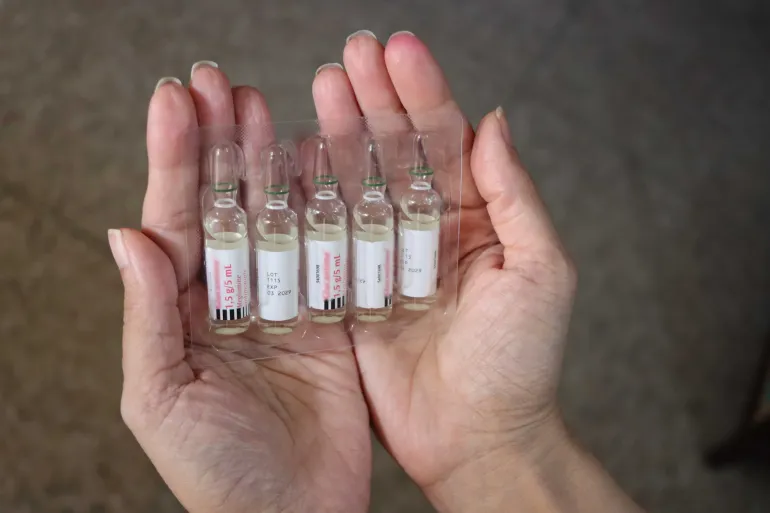
Islamabad, 16 October 2026 - UNICEF delivered 75,000 vials of medicine to the Government of Pakistan to support the treatment of children and families affected by the ongoing leishmaniasis outbreak in Khyber Pakhtunkhwa. Over 10,500 cases of leishmaniasis have been reported since January, including over 4,400 children under 16.
Leishmaniasis is a disease transmitted through the bite of infected sand flies. Children are particularly vulnerable due to their developing immune systems. The disease can cause skin sores that may leave permanent scars, while more severe forms can affect internal organs and be fatal if left untreated.
“Every child has the right to healthcare so they can grow, learn and thrive. The leishmaniasis outbreak in Khyber Pakhtunkhwa has affected thousands of children, many of whom face pain, stigma and the risk of long-term complications if left untreated. By working alongside the Government of Pakistan to deliver lifesaving treatment, UNICEF is helping ensure that vulnerable children can access essential care. Together, we must continue investing in prevention, early detection and treatment so that no child is left behind,” said Pernille Ironside, UNICEF Representative in Pakistan.
The medicines were handed over to the Department of Health, Khyber Pakhtunkhwa, in Peshawarand will be distributed through selected health facilities, to reach affected children and families. With a three-year shelf life, the supplies will support the continued availability of treatment for current and future outbreaks.
“Leishmaniasis remains a significant public health concern in several districts of Khyber Pakhtunkhwa. UNICEF’s support will strengthen our ability to provide timely treatment and ensure affected children and families can access essential care. We value this partnership as we continue working to protect vulnerable communities,” said Laeeq Ahmed, Additional Secretary of Health, Ministry of National Health Services Regulations and Coordination Islamabad.
UNICEF continues to work with the Government of Pakistan to improve child health outcomes and support equitable access to essential health services for children and families.
###
Media contacts
About UNICEF
UNICEF, the United Nations agency for children, works to protect the rights of every child, everywhere, especially the most disadvantaged children and in the toughest places to reach.
Across more than 190 countries and territories, we do whatever it takes to help children survive, thrive, and fulfil their potential.
For more information about UNICEF and its work for children, visit www.unicef.org


